
Vice City in GTA 6: The City That Will Redefine Open Worlds
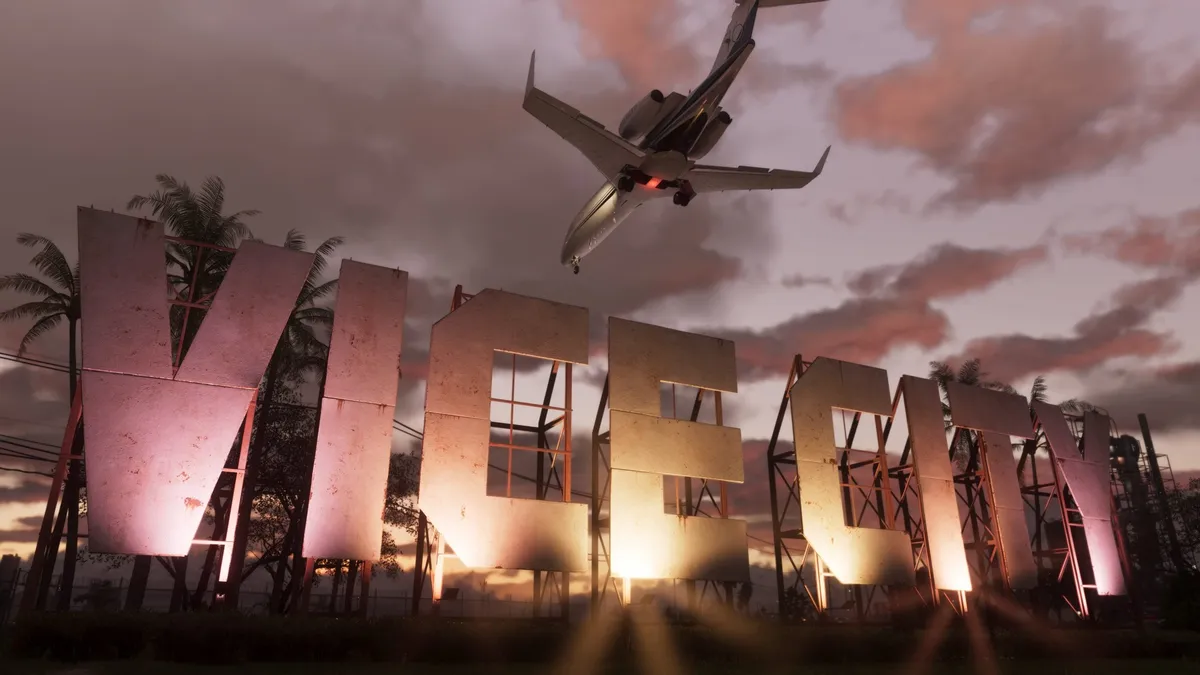
She’s Back. And She’s Unrecognizable.
If you grew up listening to Billie Jean on Flash FM while tearing through Ocean Drive in a pink Infernus, you understand why Vice City isn’t just a video game location. It’s a myth. A piece of gaming culture carved into our collective memory. And Rockstar knows it.
GTA 6’s Vice City isn’t some nostalgic remaster. It’s a complete reconstruction from the ground up. Gone is the postcard-perfect 1980s Vice City — in its place stands a living, chaotic, modern, and ferociously ambitious metropolis. So what exactly awaits us?
A City More Alive Than Any GTA Before It
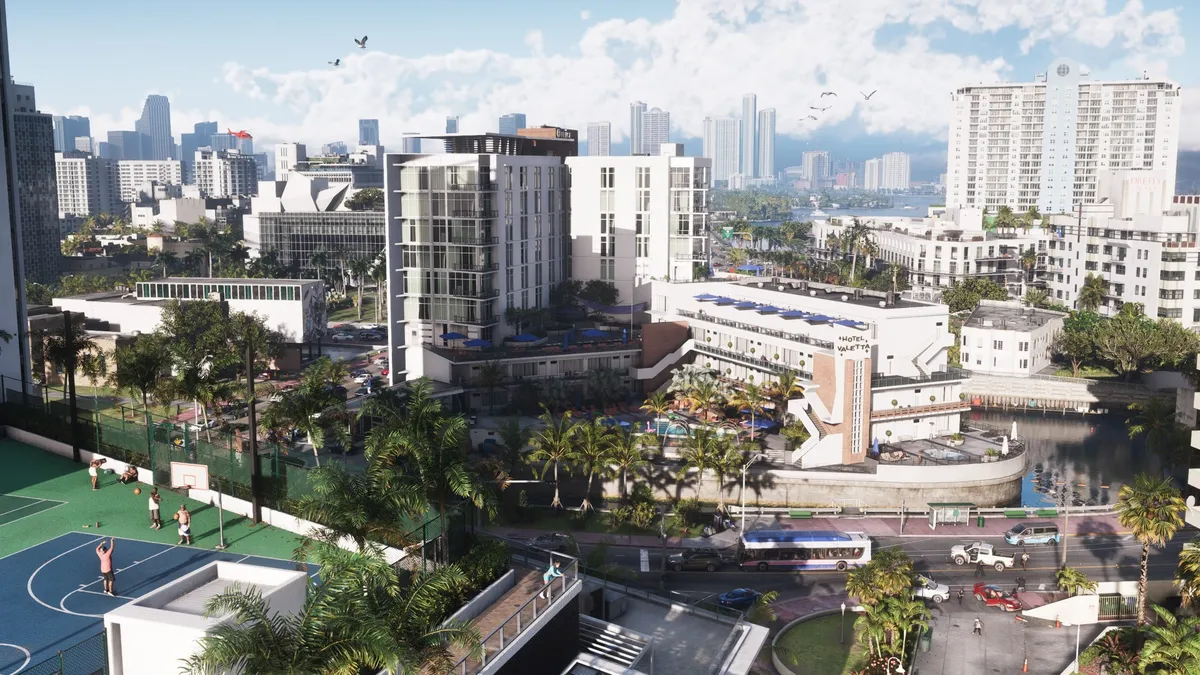
The two official trailers revealed an impressive amount of detail. And what we see is simply a tier above anything the franchise has ever delivered.
Architecture: From Art Deco to Glass Towers
Vice City blends eras with remarkable skill. On one side, the art deco of South Beach is still there — those pastel facades, those elegant lines, that atmosphere that screams “Miami.” On the other, modern glass-and-steel skyscrapers dominate the downtown skyline. It’s the contrast between heritage and modernity, exactly like real-life Miami today.
Streets Teeming with Life
Forget the half-empty sidewalks of GTA V. Here, the crowds are dense, diverse, and believable. Tourists in swimwear, hurried businessmen, influencers filming themselves. NPCs are no longer extras — they genuinely feel like they have lives of their own. And at night? The neon lights fire up, the nightclubs open, and Vice City transforms into an entirely different playground.
Neighborhoods We’ve Identified
Based on the trailers, we can already distinguish at minimum:
- A vertical downtown inspired by Downtown Miami, with towers and frenetic energy
- A beach district reminiscent of South Beach — art deco, palm trees, and that golden light you can’t find anywhere else
- A port district — docks, shipping containers, suspicious activity. If you’re looking for trouble, this is probably where it lives
- Residential areas ranging from obscene luxury to working-class neighborhoods, showcasing the social contrasts Rockstar loves to portray
2002 vs. 2026: A Generational Leap
Comparing the Vice City of 2002 to GTA 6’s version is like comparing a Polaroid to a Hasselblad photograph. Same subject, same soul, but everything else has changed.
| Aspect | Vice City (2002) | GTA 6 — Vice City |
|---|---|---|
| Era | 1980s | Contemporary |
| Size | Roughly 3.5 km² | Estimated much larger |
| Style | Retro, neon pink, synthwave | Modern, social media, diversity |
| Interiors | Very limited | Many accessible buildings |
| Vehicles | 1980s cars | Modern vehicles |
| NPCs | Basic, repetitive | Improved AI, varied behaviors |
| Environment | Static | Dynamic (weather, day/night cycle) |
The most striking difference? The atmosphere. In 2002, Vice City was a nostalgic fantasy of the eighties — cocaine, white suits, synthwave. In 2026, it’s a mirror of our era — selfies, online scandals, glaring inequality. Rockstar has always been a master of satire, and contemporary subject matter gives them infinite material to work with.
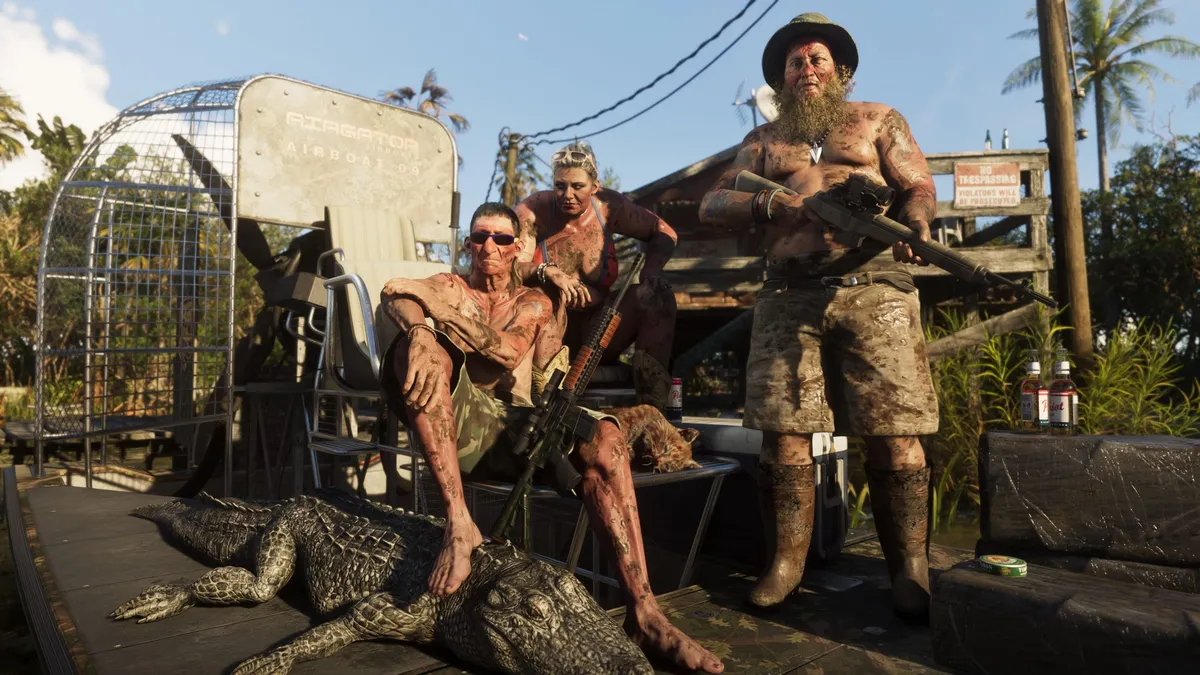
The State of Leonida: Far More Than Just Vice City
This is where things get truly exciting. Vice City is merely the centerpiece of a much larger whole: the state of Leonida. Think all of Florida, not just Miami. Here’s what we’ve identified:
- Grassrivers: Rockstar’s take on the Everglades. Sprawling swamplands, wildlife (alligators, flamingos), and probably characters as wild as the scenery. Imagine the missions set in these bayous.
- Leonida Keys: a tropical archipelago to the south, directly inspired by the Florida Keys. Bridges, island paradises, turquoise waters. The perfect backdrop for boat chases and smuggler hideouts.
- Mount Kalaga: a national park with dense forests. A radical departure from the urban environment, promising enormous visual variety.
- Port Gellhorn: an industrial port area. Containers, cranes, illegal business. The ideal setting for infiltration missions and big scores.
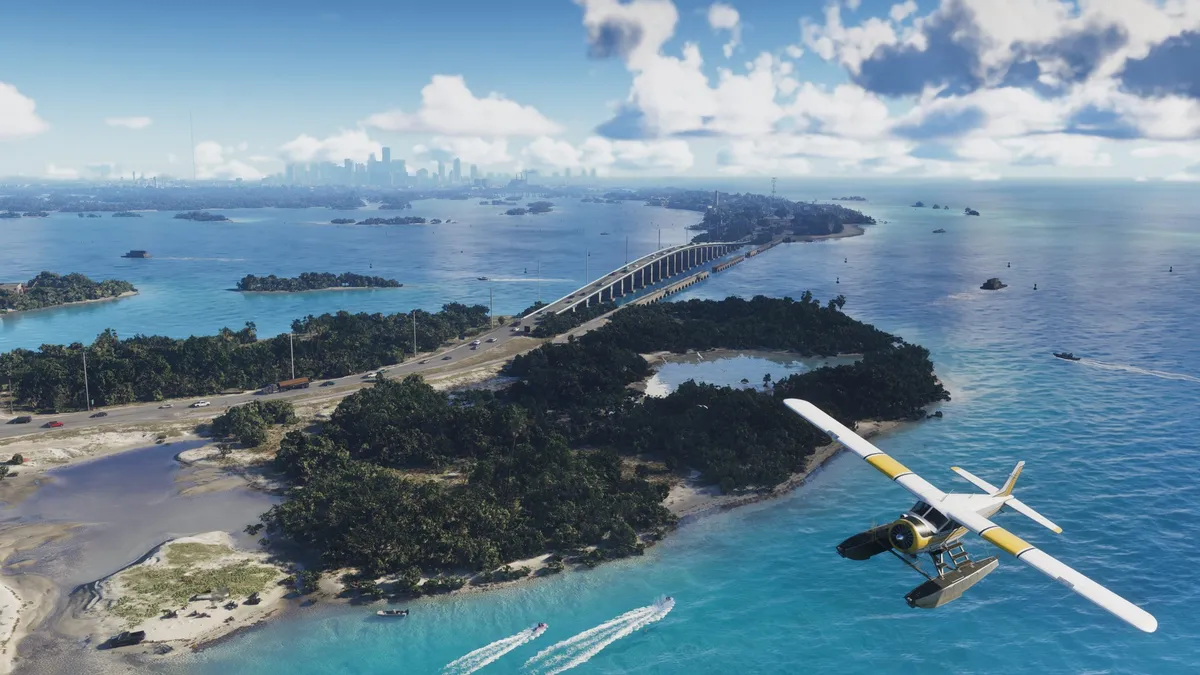
This geographic diversity is unprecedented in a GTA game. Going from Vice City’s neon lights to the Grassrivers swamps in a few minutes of driving? That’s exactly what makes real-life Florida so fascinating, and Rockstar has captured it perfectly.
What’s Confirmed
- Vice City returns as a modern, contemporary metropolis
- The state of Leonida includes multiple distinct regions beyond the city
- Art deco architecture coexists with modern skyscrapers
- Dense, dynamic NPC populations with varied behaviors
- Day/night cycle and dynamic weather systems
What’s Still Speculation
Despite everything we’ve seen, major questions remain unanswered. How large is Vice City exactly? How many neighborhoods will be explorable from day one? Will we be able to buy properties in the city, like in the original Vice City? And crucially, how many buildings will have explorable interiors?
One thing is certain: Rockstar didn’t return to Vice City out of nostalgia. They came back because this city, this setting, this energy — it’s the perfect playground for the most ambitious GTA ever made. And honestly? We’re not ready.
This article is based on elements visible in Rockstar Games’ official trailers. It will be updated as new announcements are made.