Vice City in Pop Culture: How a Fictional City Became a Legend
Some Fictional Places Feel More Real Than Most Actual Cities
Gotham City. Middle-earth. Hogwarts. And Vice City, same tier. Because Vice City isn’t just a city in a video game. It’s a myth, a pop culture concentrate so dense it ended up eclipsing the real city that inspired it. Ask any 30-year-old gamer to describe Miami, they’ll describe Vice City.
How did a fictional city in a 2002 PS2 game become a cultural legend? The answer starts long before Rockstar. It starts in the 1980s, with a cop wearing a pastel t-shirt and a Cuban exile with a very short fuse.
Miami Vice: The Birth of the Myth
- Don Johnson and Philip Michael Thomas hit American TV screens in Miami Vice. The show didn’t just revolutionize cop television, it invented an aesthetic. White suits with no socks, a Ferrari Daytona, pink neon lights, sunsets over Biscayne Bay, and a synth-heavy score by Jan Hammer.
For the first time, a TV show turned a city into a main character. Miami was no longer just a place; it was a vibe, a state of mind. Glamour and danger. Palm trees and cocaine. Money and violence. That cocktail became the DNA of everything Miami-related in fiction for the next forty years.
And when Rockstar set out to create Vice City in 2002, that was the Miami they packaged into a video game. Not the real Miami of 2002. The Miami of Crockett and Tubbs.
Scarface: The Spiritual Godfather
You can’t talk about Vice City without talking about Scarface. Brian De Palma’s 1983 film starring Al Pacino as Tony Montana is probably the single biggest influence on the GTA Vice City universe.
An immigrant who shows up in Miami with nothing. Who builds a criminal empire through force, cunning, and a complete lack of morals. Who accumulates power, money, and enemies until the inevitable fall. Tommy Vercetti in GTA Vice City is Tony Montana with a PS2 controller in his hands.
The staircase in Scarface’s mansion, the mountain of white powder, “say hello to my little friend”: all of it is carved into pop culture so deeply that even people who’ve never seen the movie know the references. GTA Vice City took that entire legacy, recycled it, remixed it, and handed it to a new generation.
The Music: The Real Glue Holding the Legend Together
If you remember Vice City, you remember the music before you remember the missions. “Billie Jean” by Michael Jackson. “I Ran” by A Flock of Seagulls. “Africa” by Toto (yes, it was in Vice City Stories). “Self Control” by Laura Branigan.
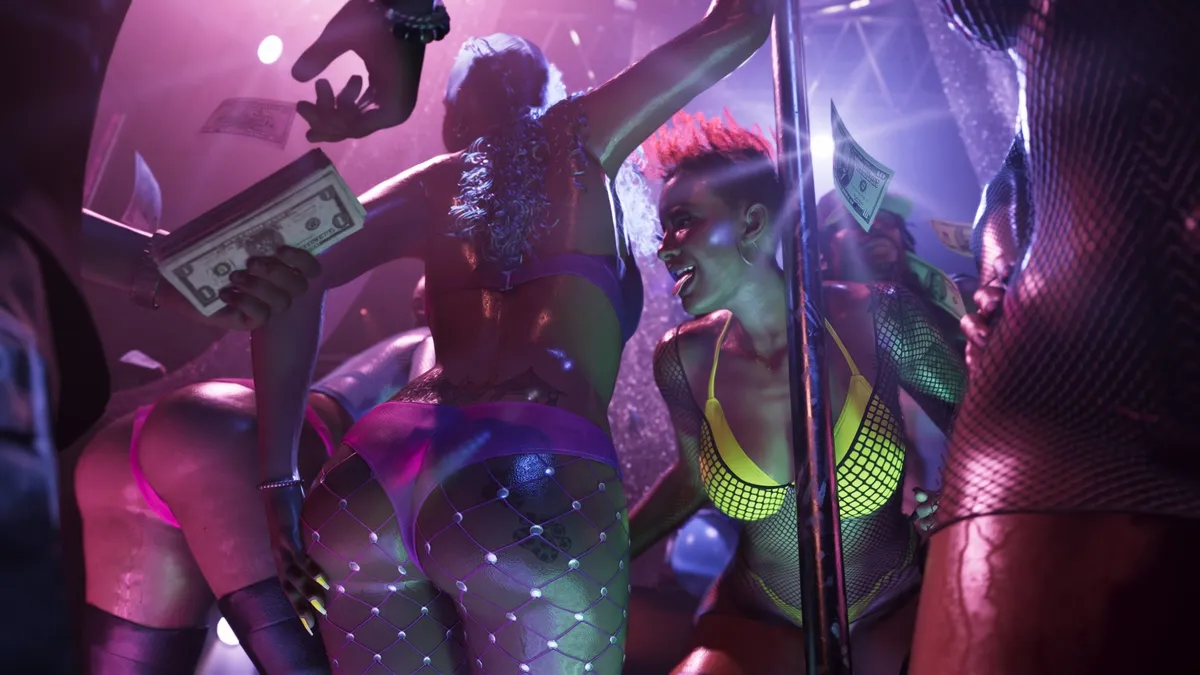
This is where Rockstar’s genius is most obvious. They didn’t just use the 80s as a backdrop. They made them alive through the radio. Flash FM, Emotion 98.3, V-Rock, Wave 103: every station was a time portal. You’d get in a car, hear those first notes, and get transported.
That soundtrack created an emotional bond that very few games have ever matched. Synthwave, the genre that exploded in the 2010s, owes part of its popularity to Vice City. Kavinsky, Perturbator, Carpenter Brut: these artists all draw from the same sonic aesthetic that Rockstar popularized among gamers.
Why Going Back Was the Perfect Call
Rockstar could have set GTA 6 anywhere. Tokyo, London, a brand new fictional city. But they went back to Vice City, and it’s the choice that made the most sense.
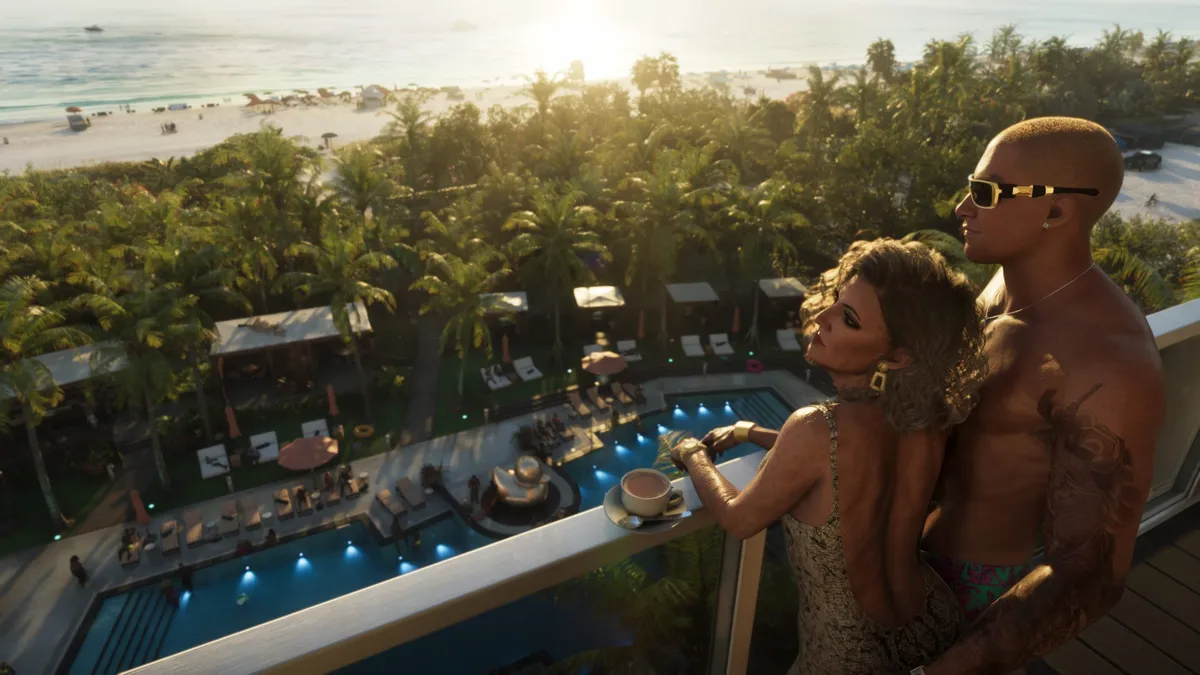
First, because real-world Miami in 2026 has become as wild as fiction. Crypto bros, influencers, political scandals, devastating hurricanes, explosive immigration, aggressive gentrification. Modern Florida is a satire that writes itself. Rockstar doesn’t even need to exaggerate; reality already outdoes the parody.
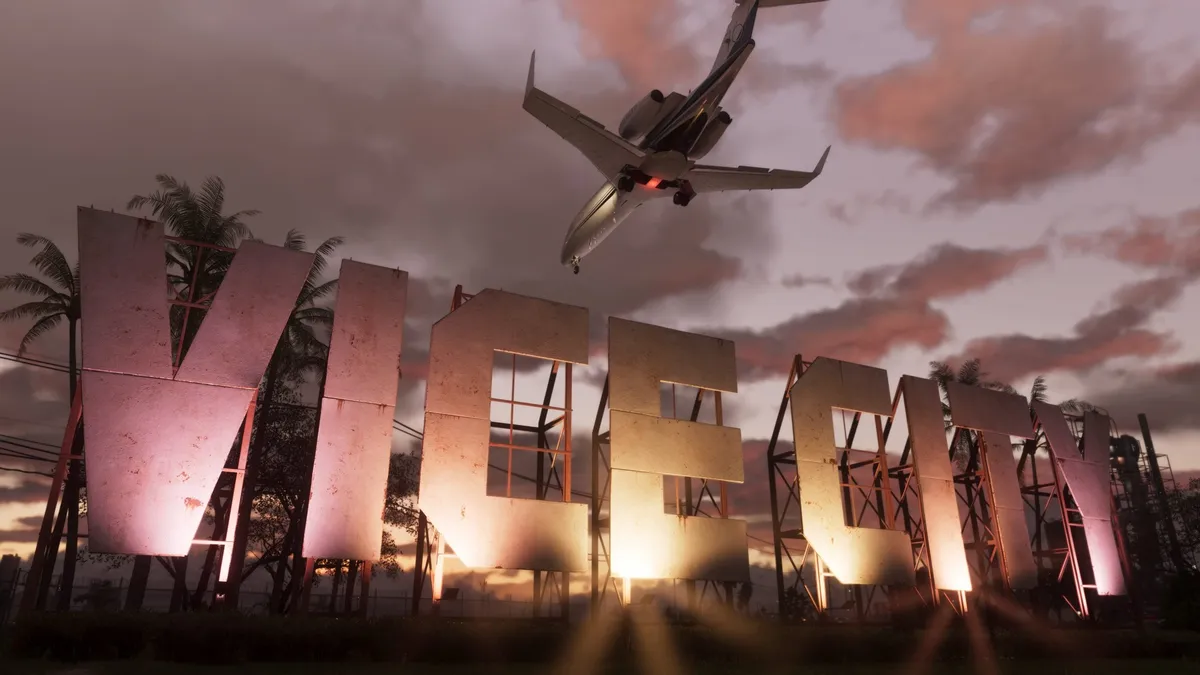
Second, because Vice City is the only GTA location that carries this much emotional weight. Los Santos is cool. Liberty City is iconic. But Vice City is nostalgia, the gamer’s Proustian madeleine. Coming back to this city after 24 years, with next-gen power and two new protagonists, is a pitch that sells itself.
From Crockett to Lucia
Miami Vice created the myth. Scarface radicalized it. GTA Vice City democratized it. GTA 6 is going to reinvent it.
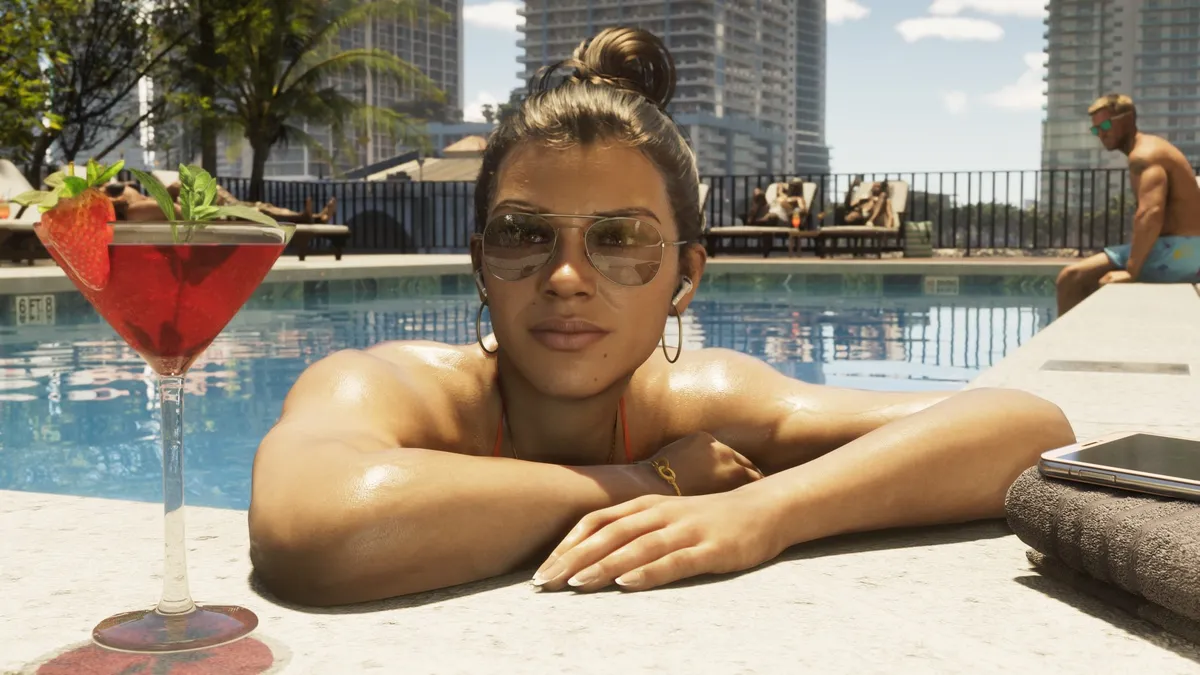
Lucia Caminos is not Don Johnson, not Tony Montana, not Tommy Vercetti. She’s something else entirely: a Latina woman in 21st-century Florida, in a world where neon lights still exist but smartphones replaced beepers, where influencers replaced drug lords in the celebrity hierarchy.
Vice City in 2026 is the same place loaded with history, now redrawn around a completely different set of characters. That gap between the familiar and the new is, in the end, what sustains the anticipation.