GTA 6: Why Rockstar's Silence Is a Deliberate Marketing Strategy
At its latest investor conference, Take-Two Interactive said something rarely this explicit in the industry: “We launched Trailer 1 in December 2023 and Trailer 2 in May 2025. We will share more information during the summer.” That sentence, reported by Polygon, is not a simple calendar update. It is official confirmation that everything before summer 2026 was not, in Rockstar and Take-Two’s view, a marketing campaign. It was something else entirely.
Two trailers across eighteen months, zero campaign
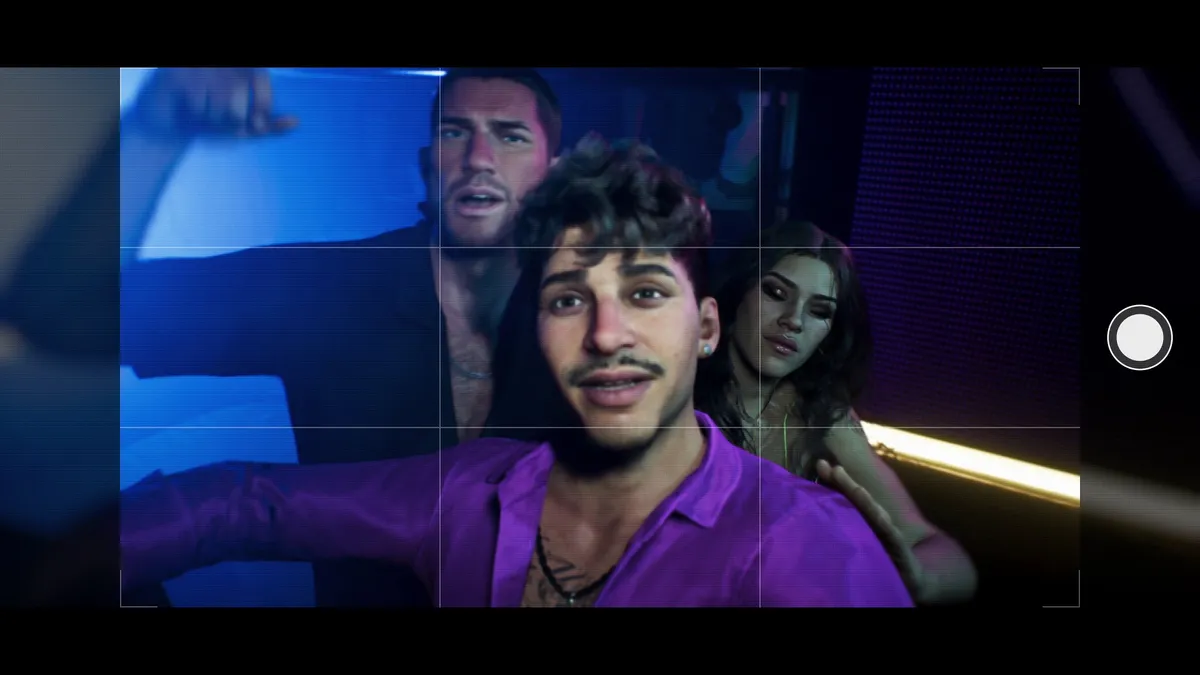
The distinction might seem semantic. It is not. Between December 2023 and May 2025, Rockstar released two trailers that collectively generated hundreds of millions of YouTube views, while maintaining near-total silence in between. No interviews, no press previews, no structured communication partnerships. These two pieces of content functioned as proof-of-life signals: confirming the game was progressing, locking in a release date, keeping the conversation alive without opening any durable communication channel.
A marketing campaign in the industrial sense is something different. It is a coordinated deployment across multiple fronts: partner media, television spots, co-branding deals, market-specific trailers, convention presence. Rockstar did none of that. And that is precisely what Take-Two is announcing for summer 2026, five months before the November 19 release date.
What the timeline reveals about Rockstar’s method
To understand why this approach is coherent, look at the intervals, not just the dates.
| Milestone | Date | Gap since previous milestone |
|---|---|---|
| Trailer 1 | December 2023 | First public signal, 17 months before T2 |
| Trailer 2 | May 6, 2025 | 17 months after T1 |
| Marketing campaign starts | Summer 2026 (confirmed) | ~14 months after T2 |
| Official release | November 19, 2026 | ~5 months after campaign start |
| PC version | Not announced | Undetermined |
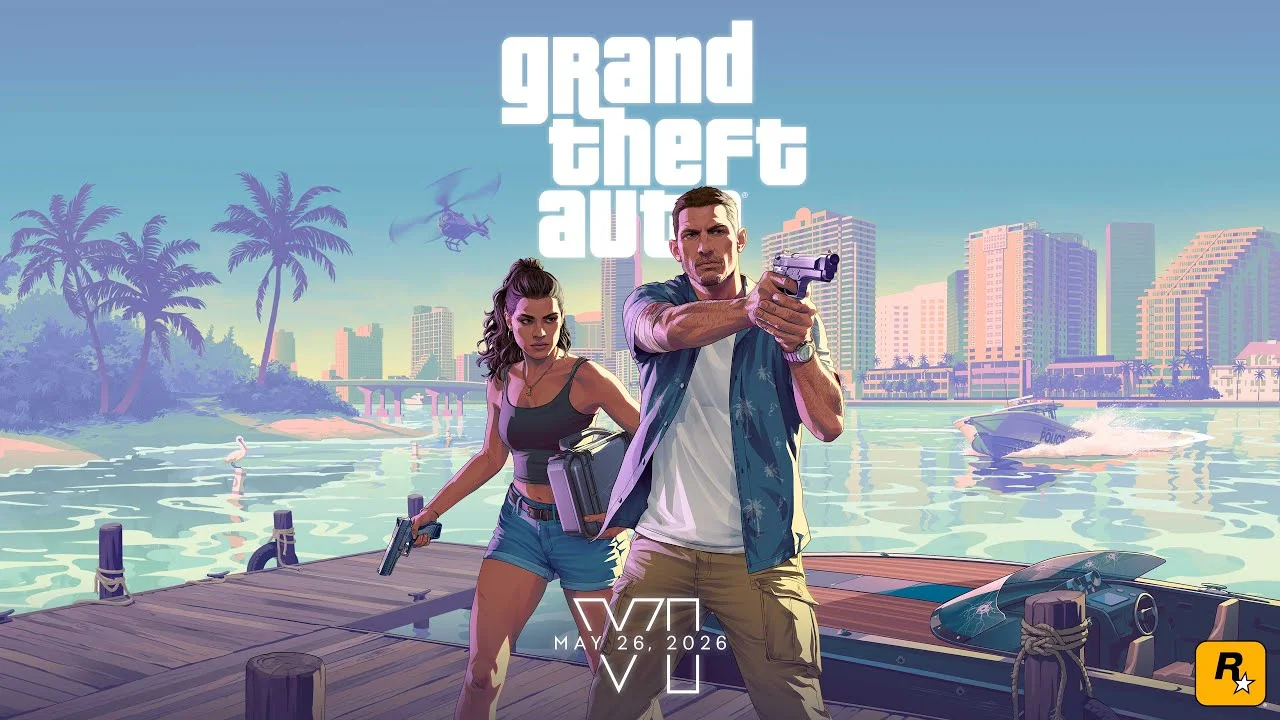
This table reveals a logic of deliberate spacing. Each public communication is separated by a long enough interval that the next event arrives with maximum tension. In the seventeen months between Trailer 1 and Trailer 2, the community spent its time analyzing every frame, mapping Vice City, identifying secondary characters. Rockstar did not need to spend a dollar on media buying: fans produced the content on its behalf.
Silence as an organic amplifier
This mechanic is not unique to GTA 6, but Rockstar has taken it further than any other studio. RDR2 followed a comparable pattern: an initial announcement in October 2016, a first trailer in November 2016, then a tightly controlled communication rhythm through to the October 2018 release. Each scarcity of official content corresponded to an explosion of unsolicited coverage.
With GTA 6, the scale is unprecedented. Trailer 1 surpassed 93 million views in 24 hours on YouTube, a record for a video game trailer at the time. Trailer 2, released on May 6, 2025, triggered a comparable wave of reactions. In both cases, Rockstar had nothing else planned: no showcase, no interview, no associated gameplay reveal. The trailer stood alone, and media and content creators filled the rest.
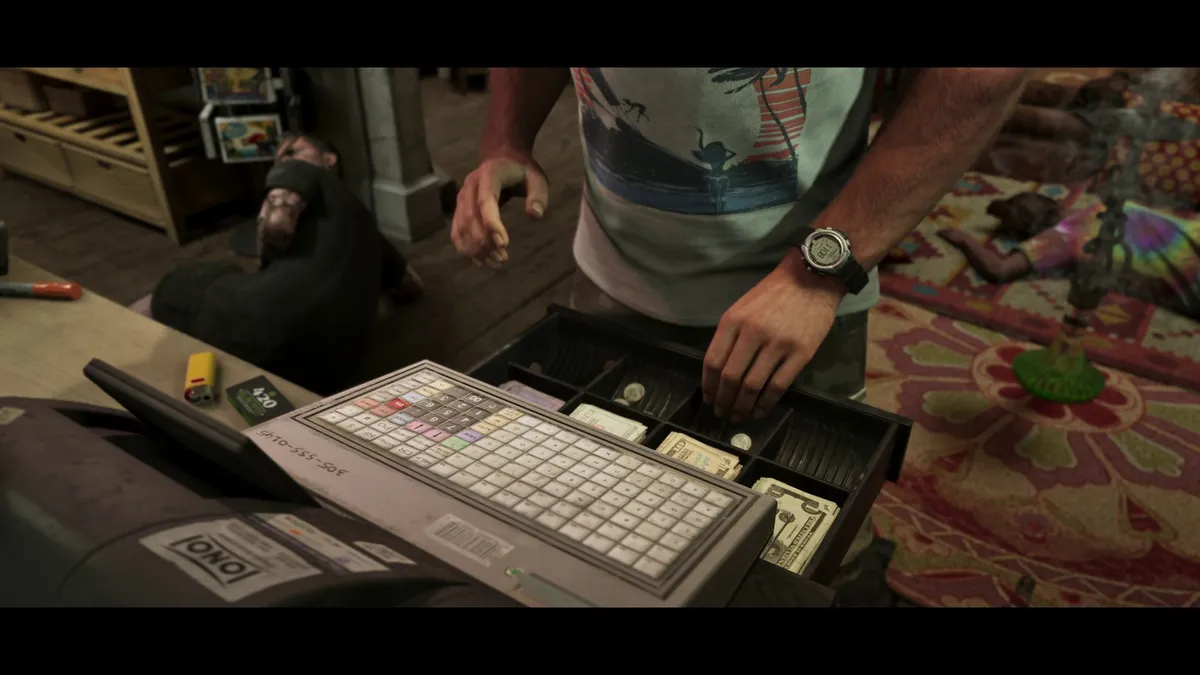
This model rests on one necessary condition: that anticipation around the product is strong enough that the absence of communication is itself information. GTA 6 meets that condition better than any other game in development today. Each week without an announcement feeds Reddit threads, speculative YouTube videos, and press articles. Silence costs little and returns a great deal.
Why summer 2026, and not before
The question raised on Reddit, whether Trailers 1 and 2 count as marketing or not, touches something real. If Take-Two says marketing starts in summer 2026, it considers the two previous trailers as outside the campaign. Functionally, they were tools for managing anticipation and protecting against uncontrolled leaks, not components of a structured advertising apparatus.
Launching the campaign in summer 2026, roughly five months before November 19, sits within an industrially sound window. Too early, and saturation becomes a risk: audiences tire before release. Too late, and retailers, hardware partners (Sony, Microsoft), and pre-order pipelines lack the time to organize. Five months is the minimum for a title of this scale, and probably the maximum Rockstar allows itself before entering a communication register it can no longer control as precisely.
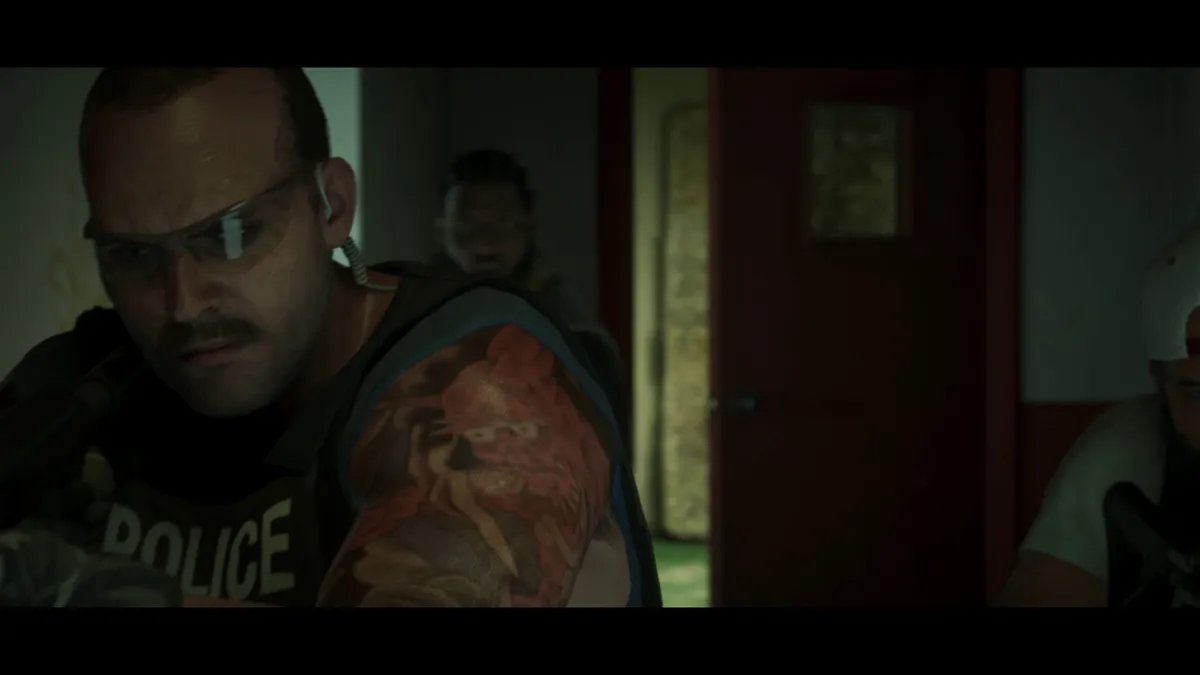
What is coming this summer is therefore likely a third trailer, this time accompanied by structured campaign elements: broad pre-order availability, hardware partnerships, coordinated press coverage. The silence is ending, not because Rockstar has had enough of it, but because the industrial calendar demands it.
The strategy of silence is not a refusal to communicate. It is a way of controlling the exact moment when communication stops being an asset and becomes a constraint.