147 days before release: the commercial logic behind Rockstar's GTA 6 pre-order timing
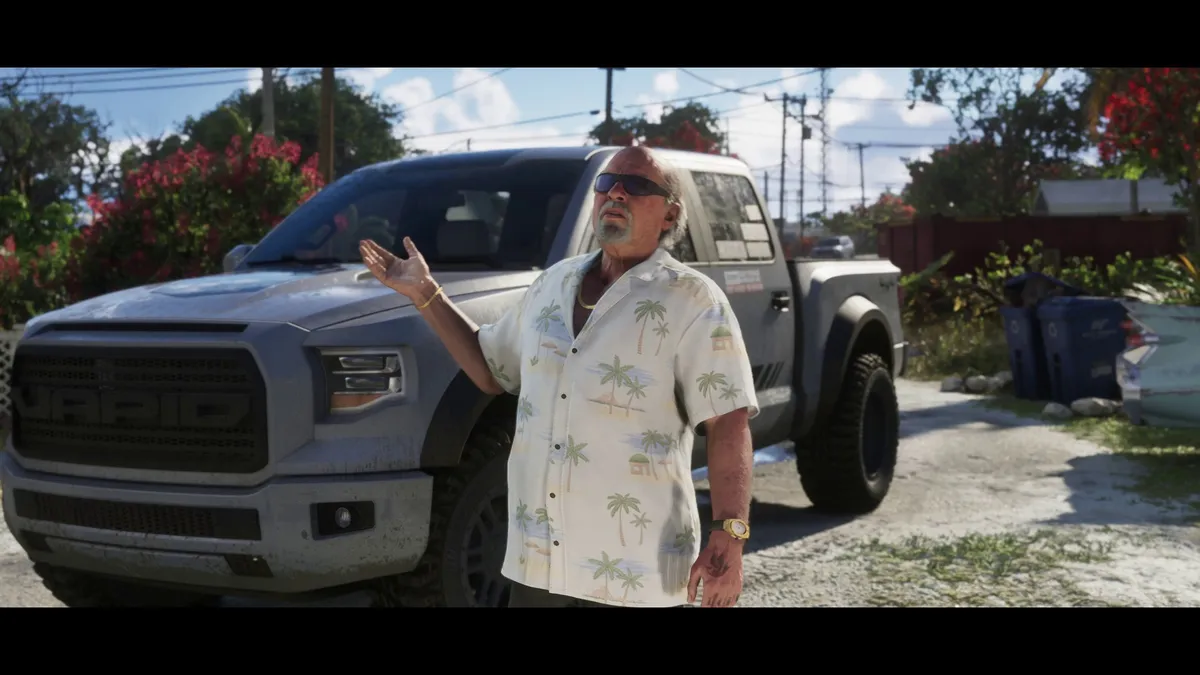
Rockstar officially announced GTA 6 pre-orders will open on June 25, 2026, alongside the reveal of the game’s final cover art. With the release set for November 19, 2026, the gap between pre-order launch and release day is approximately 147 days, or under five months. In an industry where pre-order windows commonly span six months to a full year, that timeline deserves a closer look.
A Timeline Without Precedent at Rockstar
To understand the gap, it helps to put precise numbers on the studio’s previous releases.
| Title | Pre-order opening | Release date | Window |
|---|---|---|---|
| GTA V (PS3/X360) | ~6 months before (March 2013) | Sept. 17, 2013 | ~26 weeks |
| GTA V (PS4/Xbox One) | ~3 months before (Sept. 2014) | Nov. 18, 2014 | ~10 weeks |
| Red Dead Redemption 2 | ~5 months before (May 2018) | Oct. 26, 2018 | ~22 weeks |
| GTA 6 | June 25, 2026 | Nov. 19, 2026 | ~21 weeks |
On raw duration, GTA 6 broadly aligns with RDR2. But the context is entirely different: RDR2 was publicly announced in October 2016, giving the title two full years of ongoing communication before pre-orders opened. GTA 6, by contrast, has had only two official trailers (December 2023, May 2025) and a confirmed release date since May 2025. The cover art revealed on June 19, 2026 represents the first retail-level marketing asset, delivered under five months from launch.
What sets GTA 6 apart is not solely the length of the pre-order window, but the extreme concentration of the entire commercial apparatus into the final months of the cycle.
Three Structural Factors Behind This Choice
A guaranteed financial outcome makes a long window unnecessary. GTA V has sold over 200 million copies across three console generations. Take-Two does not need to build a pre-order ledger to reassure investors or negotiate shelf space: demand is structurally locked in. A long pre-order window primarily serves to secure a strong launch day on paper; here, that security exists without it.
The revenue model has shifted considerably since 2013. GTA Online has generated several billion dollars in recurring revenue through Shark Cards and additional content since its launch. In that ecosystem, a day-one unit sale is no longer the sole commercial indicator that matters at launch: long-term active player volume carries equal or greater weight. Optimizing a pre-order window to maximize a day-one figure is not Take-Two’s primary concern anymore.
Rockstar’s communication strategy is built on deliberate scarcity. Two trailers in two and a half years, no public gameplay presentation, no presence at major industry events: the studio maintains minimal editorial output to preserve the impact of each announcement. Opening pre-orders six or nine months out would have required a sustained volume of communication to keep broad public interest alive. Rockstar favors a compressed sequence, more tightly controlled, where each signal (cover art, pre-orders, and very likely a third trailer) produces a clean media spike rather than a long, decaying tail.
The Cover Art as an Unlock Signal
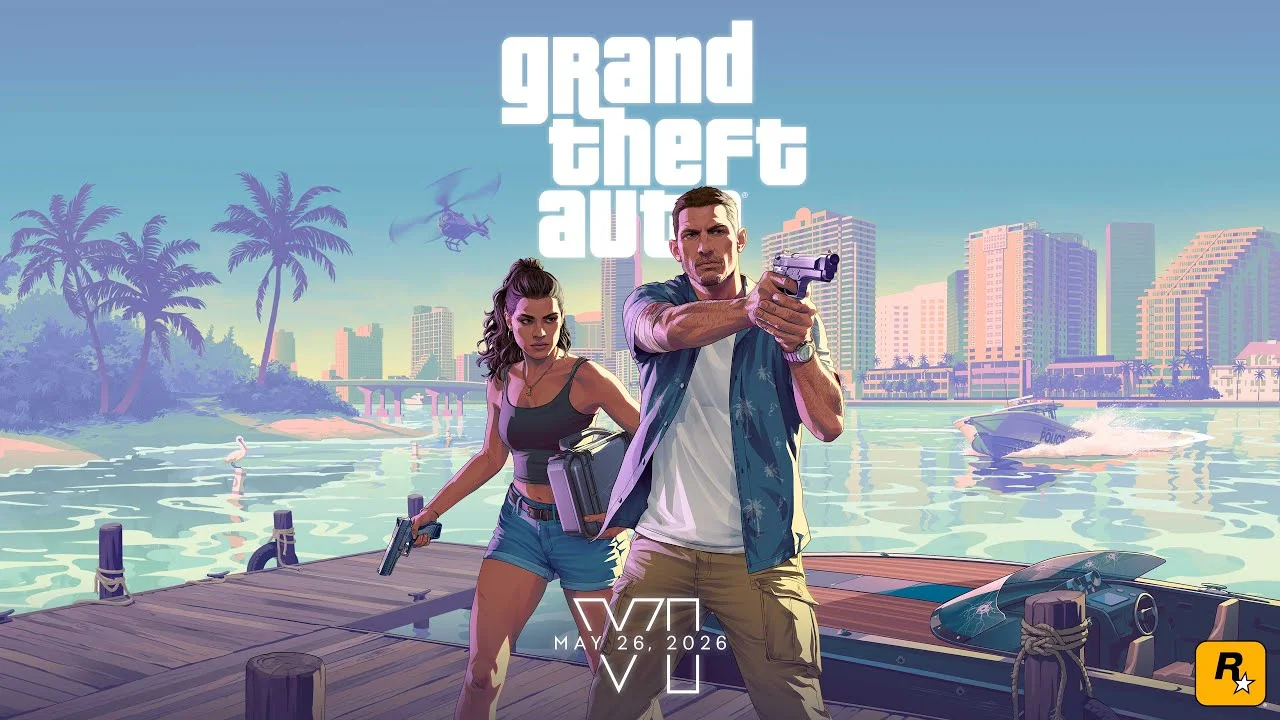
The cover art reveal on June 19 is not a cosmetic gesture. In AAA production logic, a final box art means the product’s visual identity is locked, packaging files have been submitted to manufacturers, and the window for substantive content changes has effectively closed. It is an indirect signal that the game is in an advanced stage of finalization, something Rockstar will never state explicitly.
Placed six days before pre-orders open, this reveal functions as an airlock: it marks the shift from universe-focused communication (trailers, lore, characters) to direct commercial communication. The product now has a box face, a price point, and an “add to cart” button.
For consumers, the short window also carries a mechanical effect: it reduces the period during which a pre-order could be cancelled by a delay or a bad news cycle. Less time between commitment and delivery means less friction in the purchase process. After the wave of pandemic-era delays that damaged trust in long pre-order windows (Cyberpunk 2077 remains the sector’s most painful reference point), a five-month horizon is, paradoxically, more reassuring than a twelve-month promise.
Rockstar did not open pre-orders late. It opened them precisely when its commercial model and communication philosophy allowed it to.
Pre-Order Tracker
Live status by retailer (Rockstar Store, PSN, Xbox, Best Buy, Amazon...) with Rockstar precedents to calibrate the expected window.