GTA 6 Properties, Real Estate & Businesses: Become the King of Vice City
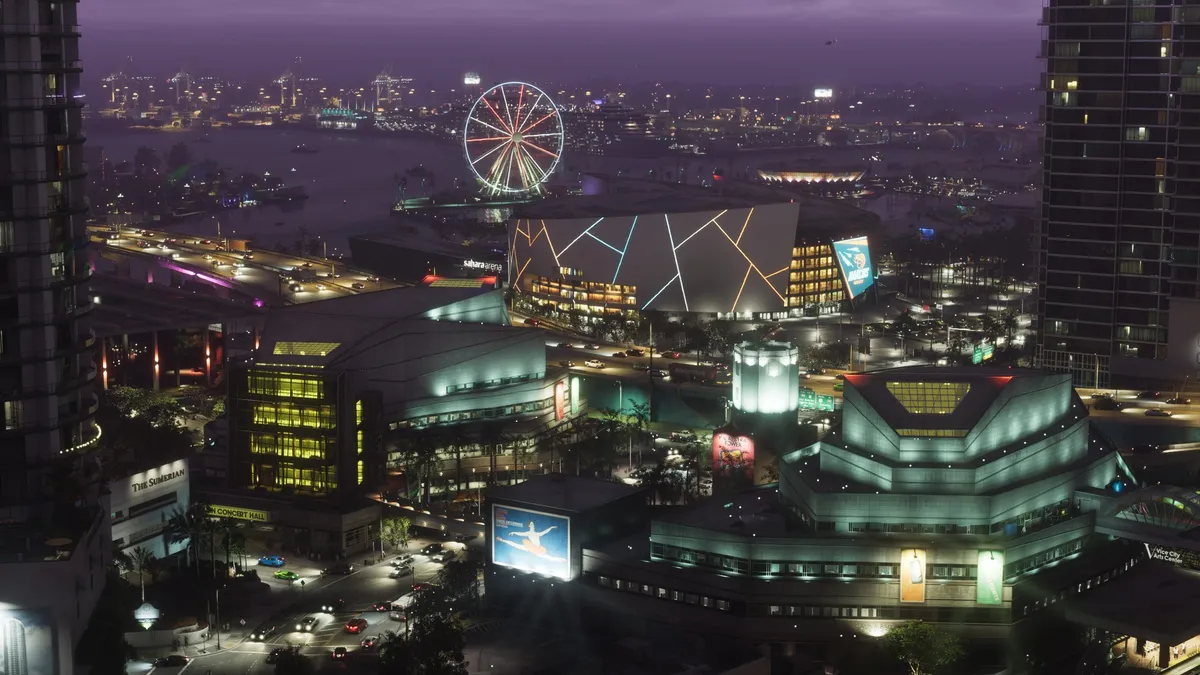
Vice City: The Town Where Everything’s for Sale
Remember GTA Vice City back in 2002? That moment you bought your first property — the Malibu Club, the film studio, the print works — and realized that GTA wasn’t just a game about shooting and stealing cars. It was a criminal empire simulator. Nothing has ever quite matched the satisfaction of watching your businesses rake in cash while you cruise the streets without a care in the world.
GTA 6 is returning to Vice City. And a property and business system worthy of the 21st century ranks among the most anticipated features. Whether Rockstar will actually deliver one is the subject of this breakdown.

Properties in GTA: A Rollercoaster History
Before speculating about GTA 6, a quick look back is in order. Rockstar’s property system has had its ups and downs.
GTA Vice City (2002): The Birth
The first GTA to offer real purchasable businesses. Fifteen properties, each with a series of missions to unlock, followed by passive income to collect. The Malibu Club, the Pole Position, the Boatyard… Every location had its own personality. It was simple, it was effective, and it gave you a reason to keep playing beyond the final mission.
GTA San Andreas (2004): The Expansion
San Andreas pushed the concept with properties spread across three cities and the countryside. More variety, casinos, garages. The system remained basic: buy, complete the missions, collect the money.
GTA V (2013): The Letdown
The story mode properties in GTA V were disappointing. A handful of purchasable businesses, laughable returns, and an overwhelming sense of “that’s it?” The real property system lived in GTA Online, where it became the core of gameplay — but at the cost of endless grinding and microtransactions.
GTA Online (2013-2024): The Laboratory
This is where Rockstar truly explored the concept. Apartments, garages, offices, hangars, bunkers, labs, nightclubs, agencies, submarines… The catalog became staggering. Each property type came with its own associated gameplay: the nightclub generating passive income, the bunker producing weapons to sell, the agency offering VIP missions. It’s this decade of experience that Rockstar will likely bring to GTA 6.
What the Trailers Suggest (Without Confirming)
The trailers don’t explicitly show a property system — that would be unusual for a trailer. Several clues are worth noting, though none of them constitute confirmation.
Luxury Is Everywhere
Vice City oozes money. Penthouses with ocean views, yachts in the marina, flashy nightclubs, shopping centers, upscale restaurants. Rockstar doesn’t create these detailed environments just for scenery. If players can enter these locations, there’s a reasonable chance ownership could follow.
The Diversity of Neighborhoods
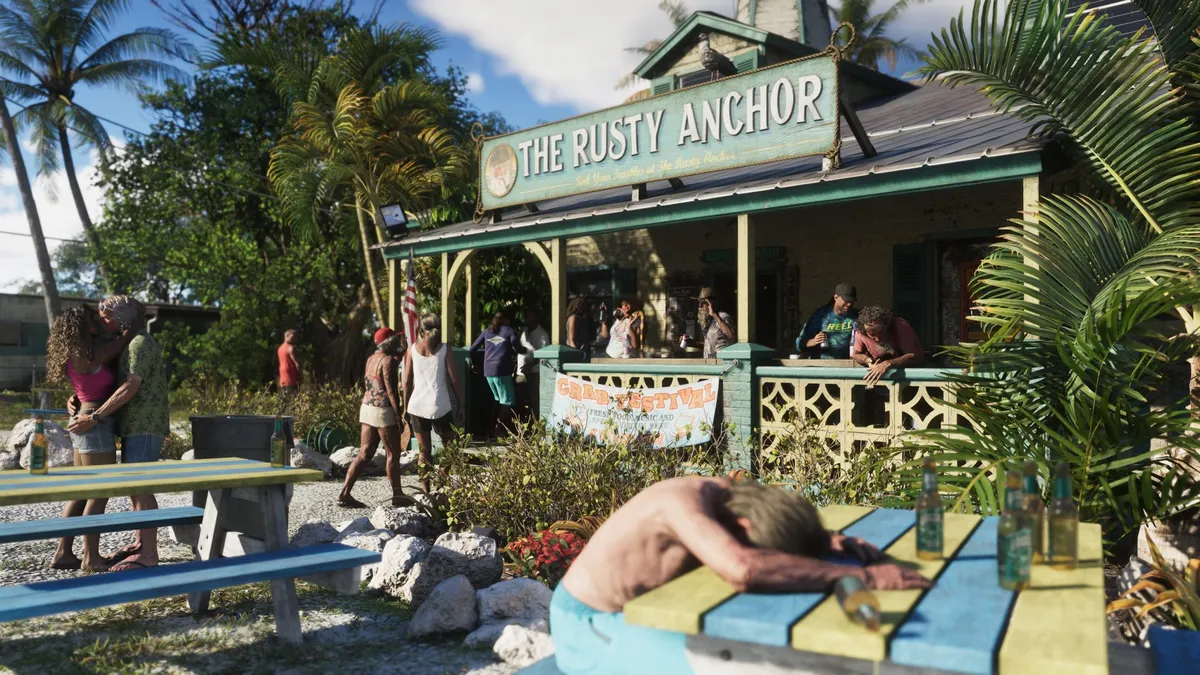
The trailers showcase a city with many faces: wealthy beachfront districts, industrial zones, shopping centers, working-class neighborhoods. This geographic variety is exactly what a real estate system would need for a price ladder, from a dingy studio apartment to a $10 million penthouse.

A Visible Criminal Economy
The trailers contain hints of a rich underground economy: deal scenes, clandestine garages, operations that suggest illegal business. If Lucia and Jason are building a criminal empire throughout the story, properties could serve as the tangible marker of their rise.
What We Can Reasonably Expect
By cross-referencing Rockstar’s history, GTA Online’s lessons, and Vice City’s context, here’s what seems plausible — keeping in mind none of it is confirmed.
Residential Properties
- Apartments and houses at various price points, from working-class neighborhoods to waterfront mansions
- Garages of varying sizes for vehicle storage
- Interior customization — furniture, decor, weapon storage. GTA Online began exploring this; GTA 6 could go further
- Safehouses for heist prep, stashing loot, and hiding from the law
Legitimate Businesses
Every GTA player’s dream: owning businesses that generate income.
- Clubs and bars — In the spirit of the original Malibu Club, with management and events
- Car dealerships — Buying, selling, tuning
- Marinas and boat rentals — Florida’s geography makes boating a natural fit
- Restaurants and fast food chains — Fictional franchises to manage and expand
- Real estate — Buying properties to flip at a profit
Illegal Businesses
The dark side, and probably the most lucrative.
- Manufacturing labs for various substances
- Distribution networks with logistics, risks, and rewards
- Chop shops for stolen vehicles
- Money laundering operations — All that dirty cash needs somewhere to go
- Maritime smuggling — The Keys and Vice City’s port are natural entry points
How GTA Online Will Shape Story Mode
Our main hypothesis: Rockstar will merge the best elements of GTA Online into GTA 6’s story mode. Not everything — the grindiest and most monetized elements will likely stay online. The core concept (buy a property, unlock associated missions, generate revenue, upgrade) could plausibly be present from the solo experience onward, given how central it became to Online.
| Aspect | GTA V Story | GTA Online | GTA 6 (estimated) |
|---|---|---|---|
| Purchasable properties | ~10 | 50+ types | 30+ types |
| Customization | Almost none | Moderate | Extensive |
| Active businesses | 5 | 15+ | 10+ |
| Passive income | Minimal | Central | Balanced |
| Associated missions | Rare | Numerous | Numerous |
Economic Progression: From Nothing to Everything
GTA 6’s pitch seems clear: Lucia and Jason start from nothing and build an empire. Properties would be the visual marker of that progression. At the start of the game, you’re probably crashing in a rundown motel. By the end, a penthouse dominating the Vice City skyline might be within reach.
That climb is the heart of the experience. It would be considerably more satisfying if each property isn’t just a dot on the map but a living location with its own gameplay, its own NPCs, its own stories.
What’s Confirmed
- Vice City as the primary setting with a wide variety of urban environments (trailers)
- A narrative progression following Lucia and Jason’s criminal rise (trailers, official information)
- Detailed interior environments (visible in trailers)
What’s Still Speculation
- Whether a purchasable property system even exists in story mode
- The number and variety of available businesses
- Passive income and management systems
- Interior customization
- Price scaling and economic progression
- Integration of GTA Online elements into the solo experience
The Vice City Real Estate Dream
To be direct: this entire article rests on estimates and precedent. Rockstar has confirmed nothing about a property system. Not including one would run counter to twenty years of GTA tradition and ignore everything GTA Online demonstrated about player engagement. The Vice City setting — a city built on luxury, crime, and excess — is a natural fit for an ambitious real estate system.
The real endgame of GTA has rarely been finishing the last mission. It’s owning every corner of the city, watching your businesses generate cash, and surveying what you’ve built. If GTA 6 delivers that with the detail its 2026 release window implies, it could redefine what the series does in story mode.