The ogre effect: how GTA 6's release date is reshuffling an entire industry's calendar
“GTA is like the ogre”
That’s not a fan’s metaphor: it’s the exact wording chosen by Asobo studio itself to describe the situation. In a statement reported by Eurogamer, the developers of A Plague Tale: Resonance called 2026 an “odd” year to release a video game, pointing directly at the gravitational pull generated by the November 19, 2026 date around it. The Bordeaux-based studio positioned its title for late August, roughly eleven weeks before GTA 6 lands on PS5 and Xbox Series X|S. That choice is deliberate: it represents precisely the margin a mid-sized publisher considers sufficient to carve out visibility before the window closes.
Release schedule pressure isn’t new in the industry. But the scale of the phenomenon in 2026 goes beyond what previous major launches produced.
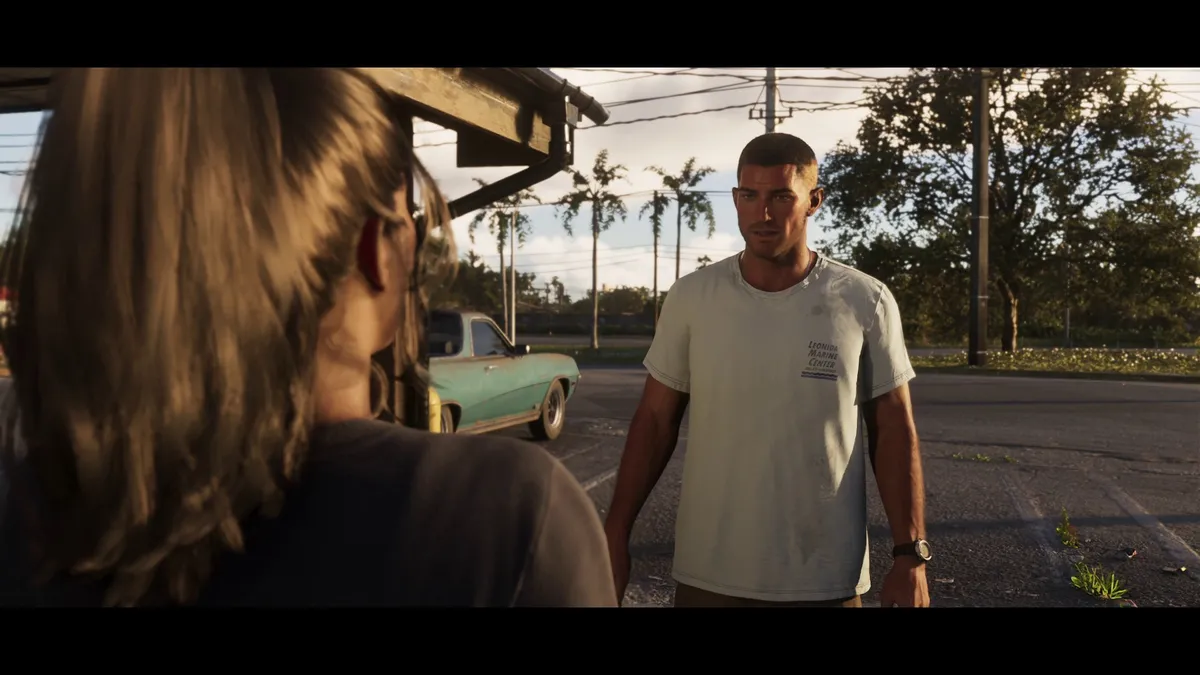
 Vice City in GTA 6, the main setting of a game that is redrawing editorial priorities across an entire industry.
The fall 2026 calendar, by the numbers
To measure the distortion effect concretely, it’s useful to compare the density of releases around GTA 6 with what it looked like during the two previous major Rockstar launches.
| Period | Rockstar Launch | AAA titles released in the 4 preceding weeks | Documented delays | Post-launch “dead zone” estimate |
|---|---|---|---|---|
| Oct.-Nov. 2013 | GTA V (PS3/X360) | 3-4 (Battlefield 4, AC IV) | Minor adjustments only | 2-3 weeks |
| Oct.-Nov. 2018 | RDR2 (PS4/Xbox One) | 2-3 (Forza Horizon 4, AC Odyssey) | Limited, less saturated market | 3-4 weeks |
| Fall 2026 | GTA 6 (PS5/Xbox Series) | Overloaded September, multiple documented delays | At least 2-3 titles identified publicly | Estimated 4-6 weeks |
The gap between 2018 and 2026 comes down to two structural factors. First, the installed base of PS5 and Xbox Series X|S is significantly larger today than in 2018: consumers are more likely to choose a single flagship title at a time, which amplifies the displacement effect. Second, anticipation for GTA 6 is built on thirteen years without a mainline GTA solo entry, an unprecedented gap in the franchise’s history, concentrating purchase intent in a way no other recent launch can replicate. The practical result: November 2026 has effectively become a near-exclusion zone for publishers who can afford to shift their dates.
September overloaded, November empty
The direct consequence of this upstream migration is paradoxical. By trying to avoid GTA 6, studios have congested September 2026 to the point where one title was delayed specifically to avoid the other delayed titles. GameSpot documented this case: the September saturation became its own problem, creating a chain reaction where successive repositionings generate new collisions.
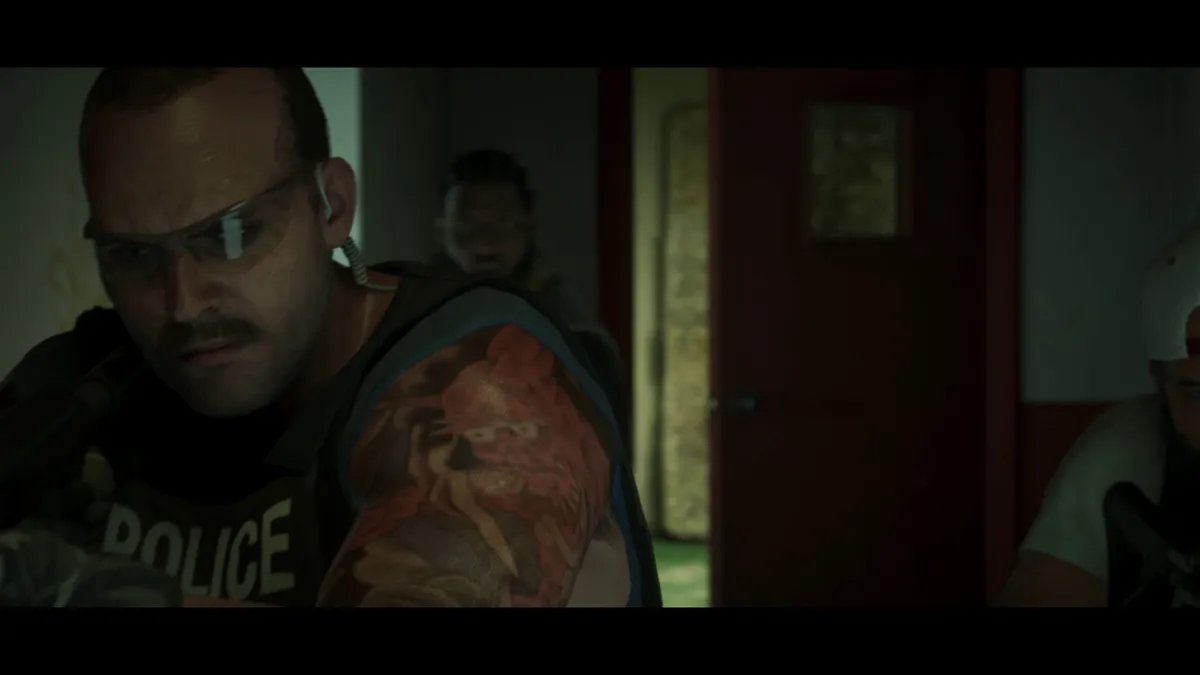 The density of the Leonida universe shown in trailer 2 (May 2025) confirmed that GTA 6 was targeting the position of a cultural event, not just a game launch.
This phenomenon illustrates what entertainment economists sometimes call the “black hole effect”: a title with high predictable demand doesn’t just occupy its slot, it deforms the calendar fabric around it. Publishers repositioning too early create new collisions upstream, while the post-GTA 6 window will likely remain sparse through January 2027, as nobody wants to compete with the post-launch attention spike either.
For Asobo and studios of comparable size, the logic is defensive: decent visibility in August beats total invisibility in November. But that strategy carries a real cost, particularly in terms of press coverage compressed into an already crowded window, and marketing budgets forced to sustain a launch when competition is abnormally intense.
A precedent that goes beyond GTA V itself
The GTA V launch in September 2013 had already prompted calendar adjustments. The difference in 2026 lies in the scale of anticipation and the maturity of the current market. In 2013, delays remained sporadic and rarely acknowledged publicly. In 2026, Asobo openly calls GTA 6 an “ogre,” and Polygon notes that even titles staying on their dates implicitly admit they’re competing in a different category.
This shift in tone is itself meaningful: the industry is no longer concealing the hierarchy. Mid-sized studios no longer pretend to face GTA 6 head-on. They’re managing their risk exposure, much like a film distributor avoids placing a romantic comedy opposite a Marvel blockbuster in peak launch mode.
The November 19 date is not just a commercial data point for Rockstar. It is a planning constraint for the entire sector, whose effects are already visible in the fall 2026 release grids.
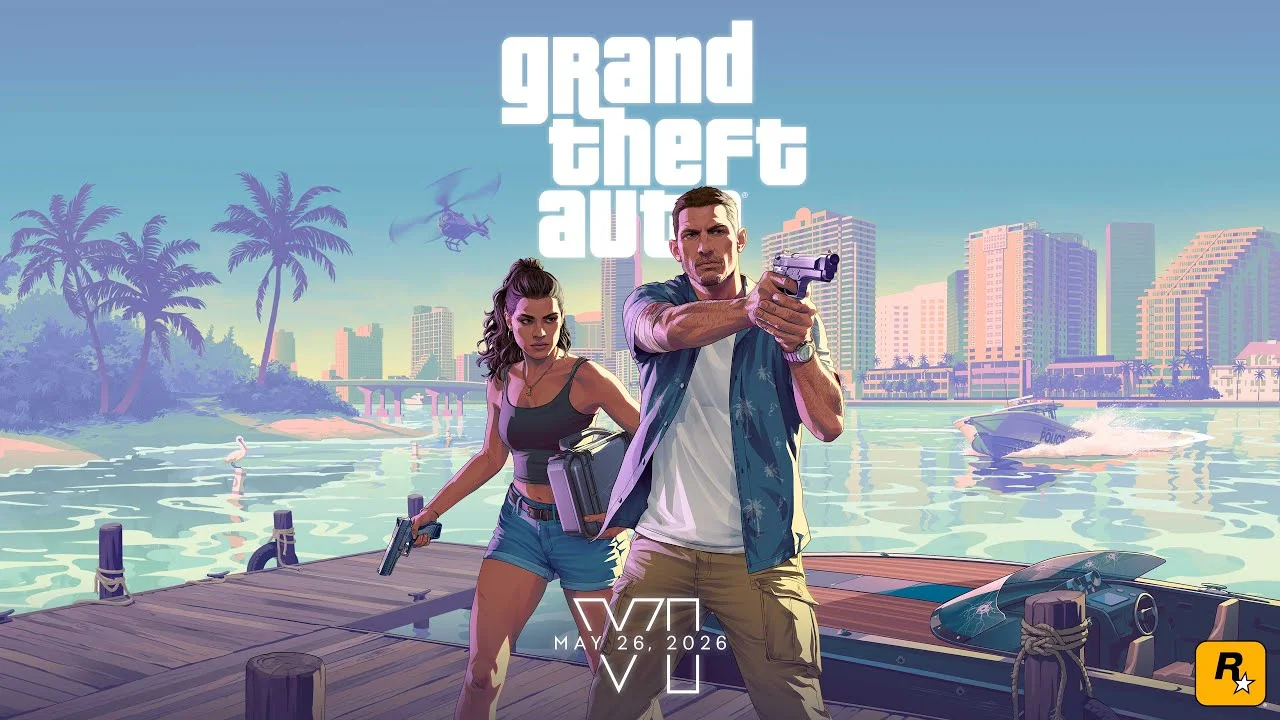 The second GTA 6 trailer, released May 6, 2025, solidified the November 19 date and accelerated repositioning decisions across the industry.
Sources
Pre-Order Tracker
Live status by retailer (Rockstar Store, PSN, Xbox, Best Buy, Amazon...) with Rockstar precedents to calibrate the expected window.